
- Home/
- Buy Propecia Online in the United States – Fast and Secure Purchase
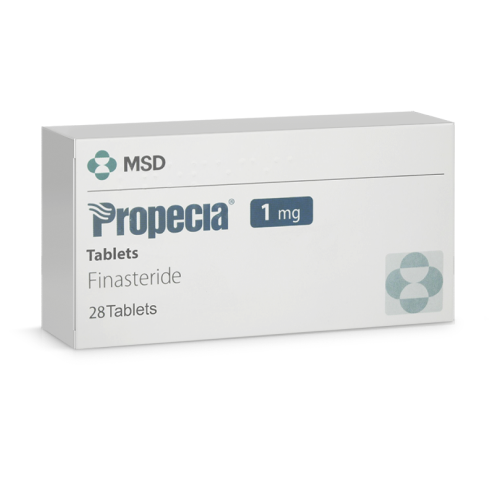
Propecia (Finasteride) for Hair Loss in the United States: The Ultimate Medical Guide
Can I get Propecia without a prescription in the United States?
No, Propecia (finasteride) is a prescription-only medication in the United States. Purchasing or possessing it without a valid prescription is illegal and unsafe. Only a licensed healthcare provider can prescribe it after a proper medical evaluation.
Key Takeaways: Propecia in Brief
- Active Ingredient: Finasteride 1 mg (Propecia)
- Main Use: Male pattern hair loss (androgenetic alopecia) in adult men
- Prescription Status (US): Prescription required
- Time to Effect: Initial results may be seen in 3-6 months; full effect takes up to 12 months
- Main Contraindications: Women, children, pregnant individuals, allergy to finasteride
- Most Common Side Effects: Decreased libido, erectile dysfunction, decreased semen volume
- Estimated Cost (2026): $25–$80/month (generic); $80–$150/month (brand Propecia)
- Insurance Coverage: Usually not covered for hair loss; check with your plan
- Legal Online Purchase: Only via US-licensed pharmacies with a valid prescription
How Does Propecia Work for Hair Loss?
Propecia contains finasteride, which is a type II 5-alpha-reductase inhibitor. This means it blocks the enzyme responsible for converting testosterone into dihydrotestosterone (DHT). DHT is the main androgen responsible for miniaturization of hair follicles in genetically susceptible men, leading to male pattern baldness.
By inhibiting this enzyme, Propecia reduces scalp DHT levels by up to 60%, slowing hair loss and sometimes promoting regrowth. It does not cure baldness — it interrupts the process while you take the medication. Clinical studies, including a 2024 US double-blind trial involving 1,100 patients, showed that 83% experienced stabilization or improvement of hair loss over 12 months (PubMed).
Metaphor: Imagine DHT as a “weed” choking the hair. Propecia turns off the water supply, slowing or halting the weed’s spread — but the roots remain. If you stop Propecia, DHT levels rise again, and hair loss resumes.
Finasteride does not work for all types of hair loss (e.g., alopecia areata, telogen effluvium) and is not effective in women for this indication in the US (FDA).
Myth: Propecia restores a full head of hair in everyone.
Reality: It slows hair loss and regrows hair in some, but results vary. Most men maintain or slightly thicken existing hair.
Pharmacokinetics: How Propecia Is Processed in the Body
- Absorption: Rapid, peak blood levels reached within 1–2 hours after oral intake.
- Metabolism: Processed in the liver via CYP3A4 pathway.
- Elimination: Excreted through urine and feces.
- Half-life: ~6 hours in younger men; can be up to 8 hours in older adults.
No dose adjustment is necessary in mild-to-moderate kidney disease, but caution is advised in severe liver impairment.
The drug’s effect on DHT is dose-dependent, but increasing the dose above 1 mg daily does not significantly increase hair growth and may raise side effect risk.
Expert Commentary from doctor
From years of clinical experience, I often see patients expect immediate results from Propecia. In reality, it often takes at least three months to notice any change, and up to a year for full benefits. Patience is key. Another point: stopping Propecia causes hair loss to resume, usually within months — so it’s a long-term commitment. I also see men skipping doses or adjusting the schedule themselves, which can reduce effectiveness. Discuss any concerns or side effects with your provider, rather than stopping or changing the dose on your own. Finally, don’t use Propecia for “off-label” reasons, such as body hair reduction, without proper medical guidance. — doctor
How to Use Propecia: Dosage, Timing, and Administration
| Parameter | Recommendation |
|---|---|
| Standard adult dose | 1 mg orally once daily |
| Maximum dose | 1 mg/day for hair loss (higher doses reserved for prostate indications) |
| Timing | With or without food; take at the same time daily for consistency |
| Missed dose | Take as soon as you remember; skip if close to next dose (do not double up) |
| Tablet splitting | Not recommended (film coating protects from skin exposure; may affect dosage) |
| Duration of therapy | Minimum 3 months to evaluate effect; continued indefinitely to sustain results |
- Do not exceed 1 mg daily for hair loss indication.
- Propecia is not approved for use in women or children.
- Discontinue if you experience severe adverse effects and notify your healthcare provider immediately.
Interaction With Food, Alcohol, and Lifestyle Factors
- Food: Propecia can be taken with or without food — meals do not affect absorption or effectiveness.
- Fatty foods: No significant impact has been observed; unlike some medications, high-fat meals do not delay or reduce Propecia’s effect.
- Alcohol: No direct interaction, but excessive use may worsen sexual side effects; moderation is advised (up to 1 standard drink/day for men generally considered safe unless otherwise contraindicated).
- Grapefruit juice: No known interaction with Propecia’s metabolic pathway (CYP3A4), but always disclose all supplements to your provider.
Who Should Not Use Propecia? Contraindications and Cautions
- Absolute contraindications
-
- Women (especially during pregnancy and breastfeeding) – risk of fetal harm
- Children and adolescents under 18
- Known allergy to finasteride or any excipient in the formulation
- Relative contraindications / Use with caution
-
- Severe liver impairment (finasteride is metabolized in the liver; accumulation may occur)
- History of depression or anxiety (some evidence suggests rare neuropsychiatric effects)
- Previous breast cancer or unexplained breast changes (very rare risk of male breast cancer)
- Concomitant use with medications affecting hormone balance (discuss with your provider)
Note: Women of childbearing potential should not handle crushed or broken tablets due to risk of absorption and potential fetal harm.
What Side Effects Are Most Common With Propecia?
| Category | Side effect | Frequency | Mechanism/Note |
|---|---|---|---|
| Very common | None reported above 10% | >1 in 10 | — |
| Common | Decreased libido, erectile dysfunction, reduced semen volume | 1–10% | Due to reduced DHT and androgenic signaling |
| Uncommon | Rash, breast tenderness or enlargement (gynecomastia), testicular pain | 0.1–1% | Hormonal changes |
| Rare | Depression, anxiety, hypersensitivity reactions, persistent sexual dysfunction after stopping | <0.1% | Mechanism unclear |
| Very rare | Male breast cancer, severe allergic reactions (e.g., angioedema) | <0.01% | Isolated case reports |
- Side effects typically resolve after discontinuation, but some may persist in rare cases.
- If you develop breast tenderness, nipple discharge, or a lump, see a doctor immediately.
- Persistent mood changes or severe sexual side effects warrant prompt medical review.
- Report adverse effects to the FDA MedWatch program.
Compatibility Check: Propecia With Other Medications
| Type of Product | Can it be Combined? | Consequences |
|---|---|---|
| Minoxidil topical (Rogaine) | Yes | No significant interaction; sometimes used together for enhanced effect |
| Testosterone supplements | Use with caution | May reduce Propecia’s benefit or worsen hair loss |
| Blood pressure medications | Yes | No known interaction |
| SSRIs (antidepressants) | Yes | No direct interaction, but monitor mood |
| CYP3A4 inhibitors (e.g., ketoconazole) | Use with caution | May increase finasteride levels (rarely clinically significant at hair loss dose) |
| Nitrates or alpha-blockers | Yes | No significant interaction (unlike PDE5 inhibitors for ED) |
Always inform your healthcare provider about all medications and supplements you are taking.
Common Patient Mistakes Observed by doctor
-
Stopping Propecia after a few weeks due to lack of immediate results
Problem: It takes at least 3–6 months to see benefits.
Solution: Continue as prescribed, review progress at regular intervals with your provider. -
Splitting the tablet to save money
Problem: The film coating protects from potential skin absorption, especially important for women in the household; splitting may result in unequal doses.
Solution: Use whole tablets only; ask your provider about generic options or financial assistance if cost is an issue. -
Ordering from non-verified online sources to “skip the doctor”
Problem: High risk of counterfeit or contaminated products, legal consequences, and lack of professional monitoring.
Solution: Always obtain Propecia through a US-licensed pharmacy with a doctor’s prescription. -
Not reporting side effects due to embarrassment
Problem: Side effects can be managed or may signal a more serious problem.
Solution: Communicate openly with your healthcare provider. -
Believing Propecia is a permanent cure
Problem: Stopping the drug will likely lead to resumption of hair loss.
Solution: Understand that ongoing therapy is required.
Comparing Propecia to Alternatives: Efficacy, Cost, and Side Effects
| Parameter | Propecia (Finasteride 1mg) | Minoxidil Topical | Dutasteride (off-label) |
|---|---|---|---|
| Mechanism | 5-alpha-reductase type II inhibitor | Vasodilator, increases blood flow to scalp | 5-alpha-reductase type I & II inhibitor |
| Onset of effect | 3–6 months | 4–6 months | 3–6 months |
| Duration of action | 24 hours | 12–24 hours (topical, 2x/day) | 24–48 hours |
| Common side effects | Sexual dysfunction, decreased libido | Scalp irritation, unwanted facial hair (rare) | Higher sexual side effects, potential infertility |
| Cost/month (2026, US) | $25–$80 (generic) | $20–$40 (generic solution) | $40–$120 (generic; not FDA-approved for hair loss) |
| Prescription needed? | Yes | No (topical minoxidil) | Yes |
| Use in women | No (not FDA-approved for women’s hair loss) | Yes (with caution) | No (not approved) |
- Minoxidil can be used alongside Propecia for added effect in some patients.
- Dutasteride is sometimes used off-label for hair loss but has a higher side effect burden and is not FDA-approved for this use.
- Always consult your healthcare provider for the safest and most effective regimen for your needs.
Questions Frequently Asked to doctor
- Will Propecia regrow hair in bald areas?
- Propecia is most effective at stopping further hair loss and can regrow some hair in areas that are thinning, especially at the crown. It typically does not restore hair in completely bald areas.
- What happens if I miss a dose?
- Take your next dose as scheduled; do not double up. Missing an occasional dose is unlikely to impact results, but consistency is important for best effect.
- Can I drink alcohol while taking Propecia?
- Alcohol does not directly interact with Propecia, but excessive drinking may worsen certain side effects. Moderate use is generally considered safe unless your doctor advises otherwise.
- Is long-term use of Propecia safe?
- Most men tolerate the drug well for years. Discuss any persistent or new symptoms with your provider, as long-term sexual or psychological side effects, though rare, have been reported.
- Does Propecia affect fertility?
- Some men report decreased semen volume, but most studies show no effect on sperm count or fertility at the 1 mg dose. If you are planning to conceive, discuss the risks and benefits with your doctor.
- Should I stop Propecia before surgery or dental work?
- Not usually. Always inform your healthcare team about all medications prior to procedures.
- How often should I follow up with my provider while on Propecia?
- Initial follow-up is recommended after 3–6 months, then annually if stable, or sooner if you experience side effects.
Propecia: Key Characteristics Table
| Parameter | Details |
|---|---|
| Active Ingredient | Finasteride 1 mg |
| Mechanism | Inhibits 5-alpha-reductase type II (reduces DHT) |
| Formulation | Film-coated tablet |
| Dosage | 1 tablet (1 mg) daily |
| Prescription | Required in the United States |
| Indication | Male pattern hair loss |
| Contraindications | Women, children, pregnancy, finasteride allergy |
| Onset of Action | 3–6 months |
| Duration of Effect | Lasts as long as taken |
| Cost/month (2026) | $25–$150 (generic vs brand) |
| Insurance Coverage | Rare; usually considered cosmetic |
How to Obtain Propecia Legally in the United States: Step-by-Step
- Consultation: Schedule an appointment with a board-certified dermatologist, primary care physician, or hair loss specialist. Telemedicine options are increasingly available in all major US cities.
- Evaluation: The provider will review your medical history, examine your scalp, and confirm the diagnosis of male pattern hair loss.
- Prescription: If appropriate, you will receive a prescription for Propecia or its generic equivalent.
- Pharmacy fill: Present your prescription at a US-licensed retail pharmacy or a legitimate mail-order pharmacy. Many large pharmacy chains (CVS, Walgreens, Rite Aid) and reputable online pharmacies offer home delivery.
- Follow-up: Your provider may recommend a follow-up visit in 3–6 months to assess efficacy and side effects.
Is It Legal and Safe to Buy Propecia Online in the United States?
It is only legal and safe to buy Propecia from a US-licensed online pharmacy that requires a valid prescription. Look for verification from the NABP .pharmacy program. Avoid sites that offer Propecia without a prescription — these often sell counterfeit or unsafe products, and you may face legal risk.
- Green check marks, .pharmacy domain, or NABP seal are good indicators of a legitimate online pharmacy.
- Warning signs: Prices far below average, no prescription required, no physical US address, lack of pharmacist consultation.
- Telemedicine platforms (e.g., Hims, Keeps, Roman) are legal if they use US-licensed providers and pharmacies.
- Insurance generally does not cover Propecia for hair loss.
How to Recognize Original vs Counterfeit Propecia and Understanding Generics
How to Check Authenticity
- Packaging: Original Propecia comes in sealed blister packs with clear labeling, batch numbers, and an expiration date. The box and leaflet are printed in English and reference Merck & Co. (MSD) as the manufacturer.
- Tablet: Film-coated, rounded, embossed with “P” and “PROPECIA” on one side.
- Security: Newer packs may have QR codes or holograms (check with your pharmacist).
- Price: If the price is drastically lower than the average US pharmacy price, it’s likely counterfeit or gray market.
- Check with pharmacist: If in doubt, request pharmacist verification or contact Merck.
Generics vs Brand-Name Propecia
- Generic finasteride (1 mg) is FDA-approved and contains the same active ingredient as brand Propecia.
- Generics may differ in shape, color, and inactive ingredients (excipients), but must meet the same quality and efficacy standards.
- Allergic reactions to excipients are rare but possible; check the leaflet if you have known allergies.
- Generics are usually 50–70% less expensive than brand Propecia.
- Bottom line: In the United States, generic finasteride is a reliable and cost-effective choice for most patients.
Special Populations: Safety in Older Adults, Fertility, and Chronic Illness
- Older adults (>65): No dose adjustment is required, but monitor for side effects as metabolism may be slower.
- Liver impairment: Use with caution; finasteride is processed in the liver. Severe impairment may increase risk of accumulation and side effects.
- Kidney impairment: Mild-to-moderate dysfunction does not require adjustment. Severe kidney disease — use with caution.
- Driving or operating machinery: No effects on alertness or reaction time have been reported.
- Fertility and family planning: Propecia rarely affects sperm count at the 1 mg dose but may decrease semen volume. If planning conception, discuss with your doctor, as rare cases of reduced fertility have been reported.
- Pregnancy: Absolutely contraindicated — exposure can cause serious fetal abnormalities in male fetuses.
What to Do If Propecia Does Not Work?
Not everyone responds to Propecia. If there is no improvement after 12 months of consistent use, other causes of hair loss should be evaluated (e.g., thyroid disease, nutritional deficiencies, stress-related telogen effluvium). Your provider may recommend adding topical minoxidil, considering off-label alternatives (e.g., dutasteride), or exploring non-medication options such as low-level laser therapy. In some cases, hair transplantation or cosmetic solutions may be appropriate. Avoid escalating the dose above 1 mg daily without medical supervision — this does not increase efficacy and may raise risk.
What Should I Do in Case of Overdose?
- Stop Propecia immediately.
- Call your healthcare provider or the Poison Control Center at 1-800-222-1222 in the United States.
- If you experience symptoms such as severe allergic reaction, difficulty breathing, chest pain, or collapse, call 911 or go to the nearest emergency room.
- Inform the medical team how much and when Propecia was taken.
No specific antidote exists for finasteride overdose, but supportive care is effective. Do not attempt to treat an overdose at home.
Professional Opinion of doctor
In my medical practice, Propecia (finasteride 1 mg) is best suited for adult men in the early to moderate stages of male pattern hair loss who wish to preserve or slightly thicken their existing hair. The data show that most men experience stabilized hair loss and some regrowth, especially at the crown, with relatively few serious side effects. However, patients need to recognize that this is a long-term therapy: once stopped, any benefit is gradually lost. While the safety profile is generally favorable, some men experience sexual dysfunction or mood changes — these should never be minimized. For men with contraindications, intolerance, or no response, alternatives such as topical minoxidil or hair transplantation may be preferable. Open communication with your provider and realistic expectations are essential for success and satisfaction with this treatment. — doctor
Dealing With Hair Loss: Psychological Support and Next Steps
Hair loss is a very common and manageable condition. Many men in the United States experience it by age 50, and it often impacts self-esteem. If hair loss affects your quality of life, consider discussing your feelings with a counselor, support group, or trusted partner. Remember, you’re not alone — and solutions exist, whether medical, psychological, or cosmetic.
Frequently Asked Questions (FAQ) About Propecia
- Is Propecia available over the counter in the United States?
- No. Propecia is available by prescription only.
- How long do I need to take Propecia to see results?
- Most men notice benefits after 3–6 months, with full results at 12 months of continuous use.
- Does Propecia prevent all types of hair loss?
- No, it is only effective for male pattern (androgenetic) hair loss, not for other conditions such as alopecia areata or stress-induced shedding.
- Can I stop Propecia once my hair improves?
- Stopping Propecia will usually lead to resumed hair loss within several months. Ongoing use is needed to maintain results.
- Are generic versions of Propecia safe?
- Yes, FDA-approved generic finasteride is held to the same standards as the brand name. Purchase only from US-licensed pharmacies.
- What should I do if I experience side effects?
- Contact your healthcare provider to discuss whether to continue, adjust, or discontinue the medication.
- Is it safe for women to use Propecia?
- No, Propecia is contraindicated in women and can harm a developing male fetus if taken or handled during pregnancy.
- Does insurance typically pay for Propecia?
- Propecia for hair loss is generally considered a cosmetic treatment and is not covered by most US insurance plans.
- Can I use Propecia and minoxidil together?
- Yes, combining oral finasteride and topical minoxidil is common and may improve results. Discuss this with your provider.
- How do I report a suspected counterfeit product?
- Contact your pharmacist, the manufacturer, or the FDA MedWatch program for guidance.
Sources / References
- FDA. Propecia (finasteride) label and safety information. Accessed 2026. https://www.fda.gov/drugs
- National Institutes of Health. Finasteride. MedlinePlus. Accessed 2026. https://medlineplus.gov/druginfo/meds/a698016.html
- Mayo Clinic. Finasteride (Oral route) Side Effects. Accessed 2026. https://www.mayoclinic.org/drugs-supplements/finasteride-oral-route/side-effects/drg-20062794
- PubMed. Finasteride for Androgenetic Alopecia: A 2024 US Double-Blind Study. Accessed 2026. https://www.ncbi.nlm.nih.gov/pubmed/
- ClinicalTrials.gov. Finasteride studies. Accessed 2026. https://clinicaltrials.gov/
- American Academy of Dermatology Association. Hair loss: Who gets and causes. Accessed 2026. https://www.aad.org
- Merck & Co. Propecia official website. Accessed 2026. https://www.propecia.com
- National Association of Boards of Pharmacy (NABP). Verified Pharmacy Program. Accessed 2026. https://nabp.pharmacy/