
- Home/
- Buy Lasix at Low Price in the United States
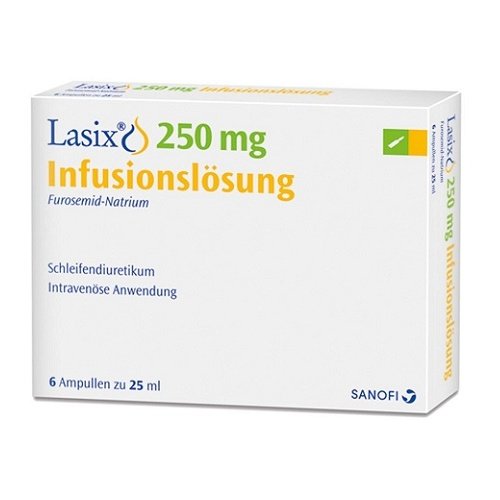
Lasix (Furosemide) in the United States: The Definitive Guide for Safe Use, Prescription, and Patient Experience
Is a Prescription for Lasix Required in the United States?
Yes, Lasix (Furosemide) is a prescription-only medication in the United States. Buying Lasix without a valid prescription is illegal and unsafe. Pharmacies—whether local or online—must verify your prescription in accordance with U.S. Food and Drug Administration (FDA) regulations. Telehealth services can facilitate legal prescriptions after proper medical evaluation.
Key Takeaways: Lasix at a Glance
- Active Ingredient: Furosemide
- Main Uses: Treatment of edema (fluid retention) due to heart failure, chronic kidney disease, liver cirrhosis; management of hypertension
- Onset of Action: 30–60 minutes after oral administration; 5 minutes if given intravenously
- Prescription Status: Prescription-only in U.S. (FDA)
- Main Contraindication: Severe electrolyte disturbances, anuria (inability to produce urine), known hypersensitivity
- Price Range (2026): $0.15–$1.50 per 40 mg tablet (varies by city and insurance)
- Insurance Coverage: Generally covered by Medicare, Medicaid, and most private plans
- Availability: Widely available as both brand-name (Lasix) and generic (furosemide)
How Does Lasix Work? Understanding the Pharmacology
Lasix (furosemide) is a potent loop diuretic. Its primary action is on the Na⁺-K⁺-2Cl⁻ cotransporter in the thick ascending limb of the loop of Henle within the kidney nephron. By inhibiting this transporter, Lasix blocks the reabsorption of sodium and chloride, leading to increased excretion of sodium, chloride, and water in the urine. This process rapidly reduces fluid volume in the body.
Additionally, Lasix indirectly causes increased excretion of potassium, calcium, and magnesium. Its diuretic effect is dose-dependent and independent of the patient’s acid-base balance. It is effective even in cases of severe renal impairment, provided some urine output is present.
Simplified Metaphor: Think of Lasix as a valve that opens wide the floodgates in your kidneys, letting excess water and salts flush out rapidly—helping relieve swelling and high blood pressure.
Clinical Note: The diuretic effect typically peaks 1–2 hours after oral intake and lasts 6–8 hours. Lasix does not treat the underlying cause of edema but provides symptom relief.
- Half-life: 1–2 hours (adults with normal kidney function)
- Metabolism: Mainly in the kidney; minor hepatic metabolism
- Excretion: Primarily via urine, some via bile/feces
Myth: Lasix works instantly and removes all swelling in one dose.
Reality: For most, the effect takes up to one hour by mouth, and full relief may need repeated, carefully titrated doses under medical supervision.
Expert Commentary from Doctor
In day-to-day practice, I see patients misunderstand diuretics like Lasix. Many expect immediate, dramatic results, but optimal dosing requires careful balance. Overuse—especially without regular lab monitoring—can cause dangerous electrolyte imbalances. I advise my patients to weigh themselves daily, report sudden weight changes, and never adjust their dose without guidance. A common pitfall is sodium restriction to the point of malnutrition, or using Lasix for purely cosmetic reasons (like temporary weight loss), which is frankly unsafe. Adherence to blood work schedules and recognizing early signs of dehydration (dizziness, dry mouth) is essential. Remember: Lasix treats fluid symptoms, not the actual heart or kidney disease.
How to Take Lasix: Dosage Regimens and Administration
Lasix dosing is highly individualized. The following regimens reflect current U.S. clinical guidelines (Mayo Clinic, 2026):
- For adults with edema: Initial dose 20–40 mg orally once daily. If the response is inadequate, dose may be increased by 20 mg every 6–8 hours, up to a typical maximum of 600 mg/day in divided doses.
- For hypertension: Usual starting dose 40 mg twice daily.
- For elderly patients: Start at the lower end of dosing range due to increased sensitivity and risk of dehydration.
- For children: Dose is weight-based (1–2 mg/kg/dose, up to 6 mg/kg/day max).
- IV Lasix is reserved for acute situations and administered in a clinical setting.
Important Tips:
- Take tablets with or without food, as directed.
- Best taken in the morning to avoid nocturia (nighttime urination).
- Some tablets can be split, but only if scored; check with your pharmacist.
- Never exceed prescribed dose.
Food, Alcohol, and Lasix: What You Need to Know
- Food Interactions:
- Taking Lasix with food may slightly delay absorption but does not significantly reduce its effectiveness. High-salt diets may blunt the diuretic effect. There is NO known interaction with grapefruit juice.
- Alcohol:
- Combining Lasix with alcohol increases the risk of dehydration, orthostatic hypotension (sudden drop in blood pressure), and electrolyte disturbances. Alcohol is not strictly prohibited, but moderation is essential (no more than 1 standard drink per day), and some may need to avoid alcohol entirely.
- Lifestyle Notes:
- Monitor weight, stay hydrated, and avoid drastic changes in salt intake unless instructed by your doctor.
Who Should Not Take Lasix? Contraindications Explained
| Absolute Contraindications | Relative Contraindications (Use With Caution) |
|---|---|
|
|
Why? Severe electrolyte disturbances can be life-threatening. Combining Lasix with certain drugs (e.g., lithium) may increase toxicity. Always consult your doctor about your medications and health history.
What Side Effects Are Most Common with Lasix?
| Frequency | Side Effect | Explanation |
|---|---|---|
| Very Common (>1 in 10) | Increased urination Electrolyte imbalance (esp. low potassium, sodium) |
Direct result of fluid and salt loss |
| Common (1 in 100–10) | Dizziness, low blood pressure Muscle cramps Elevated uric acid (gout flare) |
Fluid loss decreases blood volume; potassium drop affects muscle |
| Rare (1 in 1,000–10,000) | Hearing changes (with high IV doses) Rash Pancreatitis |
Furosemide can affect the ear or pancreas in susceptible individuals |
| Very Rare (<1 in 10,000) | Severe allergic reaction Aplastic anemia Stevens-Johnson syndrome |
Immune-mediated or idiosyncratic reactions |
- If you experience severe dizziness, confusion, muscle weakness, rapid heartbeat, hearing loss, or rash—stop taking Lasix and seek emergency medical care.
- For mild symptoms (e.g., dry mouth, increased urination), monitor and report to your doctor at your next visit.
Common Patient Mistakes Observed by Doctor
-
Self-adjusting the dose: Patients often increase or decrease their dose without consulting a provider, risking dehydration or inadequate symptom control.
How to avoid: Always contact your healthcare provider before making any changes. -
Ignoring regular blood tests: Skipping lab monitoring may allow dangerous electrolyte disturbances to go unnoticed.
How to avoid: Keep all scheduled blood work appointments. -
Taking Lasix late in the day: This can cause disruptive night-time urination (nocturia).
How to avoid: Take early in the morning unless otherwise instructed. -
Not reporting rapid weight loss or swelling: Sudden changes can signal heart or kidney issues—not just fluid balance.
How to avoid: Weigh yourself daily and report changes of more than 2 pounds (about 1 kg) in a day. -
Mixing Lasix with NSAIDs or lithium without supervision: Increases risk of kidney injury or toxicity.
How to avoid: Confirm all medications and supplements with your doctor. -
Using Lasix for cosmetic “weight loss”: This is not safe or effective, and can lead to serious complications.
How to avoid: Only use Lasix for medically-indicated conditions.
Lasix vs. Alternatives: How Does It Compare?
| Drug | Onset (Oral) | Duration | Side Effects | Typical Price (per 40mg/tab, USD) | Main Indications |
|---|---|---|---|---|---|
| Lasix (Furosemide) | 30–60 minutes | 6–8 hours | Electrolyte loss, dehydration, rare hearing effects | $0.15–$1.50 | Edema, hypertension, heart failure |
| Bumex (Bumetanide) | 30–60 minutes | 4–6 hours | Similar; slightly higher risk of electrolyte loss | $0.25–$2.00 | Edema, heart failure |
| Demadex (Torsemide) | 60 minutes | 12–16 hours | Less potassium loss, more predictable absorption | $0.40–$2.50 | Edema, hypertension |
| Hydrochlorothiazide (Thiazide type) | 2 hours | 6–12 hours | Less potent; may cause low sodium | $0.10–$0.80 | Mild edema, hypertension |
What it cannot do: It is not ideal for mild edema or long-term blood pressure control if other options are available.
Questions Frequently Asked to Doctor
- 1. Can I take Lasix every day?
- For chronic conditions (like heart failure), daily dosing may be necessary, but the regimen is always individualized. Do not alter your dose or frequency without your provider’s instructions.
- 2. What should I do if I miss a dose?
- If you remember within a few hours, take it as soon as possible. If it’s near your next dose, skip the missed one—never double up.
- 3. Is Lasix safe with my blood pressure medication?
- Usually yes, but certain combinations can cause blood pressure to drop too much. Always review your medication list with your doctor.
- 4. Will Lasix affect my potassium levels?
- Yes, it often lowers potassium. You may need supplements or dietary adjustments, and periodic blood tests are essential.
- 5. Can Lasix cause dependence?
- No psychological dependence, but your body can become reliant on it to manage fluid. Stopping suddenly may result in rapid fluid buildup.
- 6. Is it safe to drink alcohol while on Lasix?
- Alcohol consumption should be minimized, as it increases dehydration and side effect risks.
- 7. I’m elderly—should I take a lower dose?
- Often yes; age increases susceptibility to side effects, so dosing starts low and is adjusted by your provider.
Lasix: Key Characteristics Table
| Parameter | Value |
|---|---|
| Active Ingredient | Furosemide |
| Formulations | Tablets (20, 40, 80 mg); Oral solution; IV injection |
| Usual Adult Dose | 20–80 mg/day (adjusted as needed) |
| Maximum Dose | 600 mg/day (rare, hospital setting only) |
| Onset (Oral) | 30–60 min |
| Peak Effect | 1–2 hours |
| Duration | 6–8 hours |
| Prescription Needed | Yes |
| Price Range (2026, USD) | $0.15–$1.50/tablet |
| Insurance Coverage | Most plans, including Medicare/Medicaid |
How to Obtain Lasix Legally in the United States: Step-by-Step
- Consult a Healthcare Provider: Book an appointment with a primary care physician, cardiologist, nephrologist, or use a licensed telemedicine service. You may need a referral in some health systems (e.g., within a hospital network or HMO).
- Assessment and Diagnosis: The doctor will take your history, perform needed exams, and may order blood/urine tests to confirm fluid overload and suitability for Lasix.
- Prescription Issued: If appropriate, your provider will electronically send a prescription to your preferred pharmacy (local or online).
- Filling the Prescription: Visit a licensed U.S. pharmacy or use a pharmacy’s online ordering system. The pharmacist will verify your prescription.
- Education and Follow-up: The pharmacist or provider gives instructions and arranges for ongoing monitoring.
Note: Medicare, Medicaid, and most private insurance plans in the U.S. cover furosemide with minimal copay.
Is It Legal to Buy Lasix Online in the United States?
Only if you have a valid prescription and use a licensed U.S. pharmacy or verified telehealth provider. Genuine online pharmacies display a VIPPS seal (NABP). Never buy from websites that do not require a prescription—these are often linked to counterfeit or substandard medicines, legal risks, and health dangers. U.S. Customs may seize unauthorised imports, and you may not be protected if problems arise.
How to Identify Counterfeit Lasix and Understand Generics
- Manufactured by Sanofi (brand), but generics from reputable U.S. manufacturers (e.g., Teva, Sandoz) are FDA-approved and equivalent in efficacy and safety.
- Packaging: Tamper-evident blister packs or bottles, clear lot number, expiration date, and manufacturer’s logo.
- Color: Typically white, oblong or round tablets, scored if intended to be split.
- Legitimate generics may look different but contain the same active ingredient. Ask your pharmacist if in doubt.
- Look for official QR codes or holograms where available (2026 trend in U.S. packaging).
- Unusually low prices
- No prescription required by seller
- Poor print quality or spelling errors on packaging
- Loose pills in bags, no original manufacturer labeling
Lasix Compatibility with Other Medications and Products
| Type of Product | Can Combine? | Consequences |
|---|---|---|
| Acetaminophen (Tylenol) | Yes | No significant interaction |
| Ibuprofen/NSAIDs | Caution | May reduce Lasix effectiveness, increase kidney risk |
| Lithium | Strictly No | Increased lithium toxicity risk |
| ACE inhibitors (e.g., lisinopril) | Yes, with monitoring | Risk of excessive blood pressure drop |
| Potassium supplements | Yes, if prescribed | Prevents or corrects low potassium |
| Alcohol | Minimize | Increased dehydration, hypotension |
What Should I Do in Case of Lasix Overdose?
- Stop Lasix immediately.
- Call emergency services: Dial 911 in the United States.
- Inform EMS or ER staff: Report exact dosage and time taken.
- Monitor for symptoms: Severe dizziness, fainting, rapid heartbeat, confusion, muscle cramps, or inability to urinate.
- Do not attempt to self-treat dehydration with home remedies.
Special Considerations: Elderly, Chronic Disease, and Pregnancy
- Elderly: Start at the lowest effective dose; increased risk of falls and dehydration.
- Renal Impairment: Lasix can be effective if some urine output remains, but requires strict monitoring. Dose may need adjustment.
- Hepatic (Liver) Disease: Higher risk of electrolyte disturbances; use only if benefits outweigh risks.
- Pregnancy: Only if absolutely indicated; may impair fetal growth due to reduced blood flow to the placenta (March of Dimes).
- Breastfeeding: Small amounts excreted in milk; use with caution and monitor infant for dehydration.
- Driving/Machinery: Dizziness and drowsiness may occur; caution advised.
- Fertility: No evidence that Lasix impairs fertility directly.
Living with Edema: Empathy and Psychological Support
Dealing with chronic conditions like heart failure or kidney disease can be overwhelming. Swelling and fluid retention affect both body and mind. Remember, you’re not alone—millions in the U.S. manage these issues daily. It’s normal to feel frustrated or anxious. If you struggle emotionally, reach out to your healthcare team or a counselor. Open communication with loved ones and your provider improves outcomes.
Professional Opinion of Doctor
In my practice, Lasix is indispensable for treating moderate to severe fluid overload, particularly in heart failure, chronic kidney disease, and certain liver disorders. The benefit-risk calculation is generally favorable in well-monitored patients, but the margin for error is small. Older adults, those with multiple chronic illnesses, or on complex medication regimens need extra vigilance. I emphasize that Lasix is not a cure for the underlying disease—addressing lifestyle factors, salt intake, and the root medical problem remains vital. In some cases, alternative diuretics may be safer (e.g., thiazides for mild hypertension, or torsemide for unpredictable absorption). No drug is risk-free, but with judicious use and routine follow-up, most patients experience significant symptom relief and improved quality of life.
FAQ: Your Top Questions About Lasix Answered
- Can Lasix be used daily?
- Yes, daily use is common for chronic conditions, but only under ongoing medical supervision and with regular blood testing.
- Is Lasix available without a prescription in the United States?
- No, it is illegal and unsafe to obtain Lasix without a valid prescription.
- What should I do if I experience muscle cramps while taking Lasix?
- Contact your doctor—this may signal low potassium or other electrolyte issues that need correction.
- How quickly does Lasix work?
- Oral Lasix usually starts working within 30–60 minutes; IV Lasix in 5 minutes.
- Can Lasix be taken with blood pressure medicines?
- Yes, but these combinations must be monitored for excessive drops in blood pressure or potassium.
- What is the price of Lasix in the United States?
- Generic furosemide generally costs $0.15–$1.50 per tablet; insurance often covers most or all of the cost.
- Are generics as effective as the original Lasix?
- Yes, FDA-approved generics are clinically equivalent to the brand-name drug.
- What are the risks of buying Lasix from unauthorized websites?
- Risks include counterfeit medication, legal penalties, and unmonitored side effects. Only use licensed U.S. pharmacies.
References
-
U.S. Food and Drug Administration (FDA). Lasix (Furosemide) Label Information. Accessed 2026.
https://www.fda.gov/ -
Mayo Clinic. Furosemide (Oral Route) Proper Use. Accessed 2026.
https://www.mayoclinic.org/drugs-supplements/furosemide-oral-route/proper-use/drg-20071281 -
PubMed. Recent Reviews on Loop Diuretics in Heart Failure. Accessed 2026.
https://pubmed.ncbi.nlm.nih.gov/ -
National Association of Boards of Pharmacy (NABP). VIPPS-accredited Pharmacies. Accessed 2026.
https://nabp.pharmacy/programs/vipps/ -
March of Dimes. Medications in Pregnancy: Furosemide. Accessed 2026.
https://www.marchofdimes.org/ -
FDA MedWatch Safety Reporting. Accessed 2026.
https://www.fda.gov/Safety/MedWatch/