
- Home/
- Buy Viagra Online in the United States – Fast Delivery Available
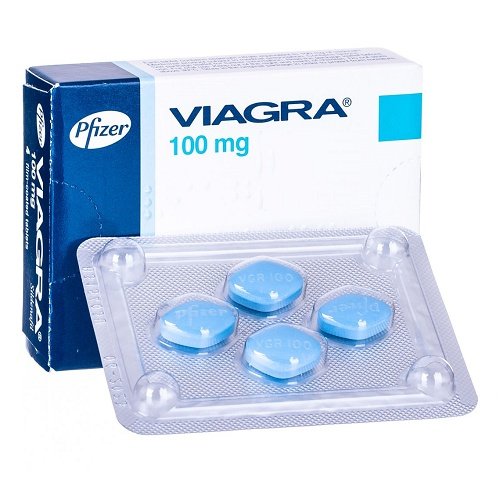
Viagra is a prescription medication used in the United States to treat erectile dysfunction (ED). Its active ingredient, sildenafil, temporarily improves the ability to get and maintain an erection during sexual activity. Before you consider Viagra, know this: it works for most, but not all men, and its real-world effects depend as much on your health and expectations as on the pill itself.
A Moment That Changes Everything: Why Men Ask About Viagra
The night is going well—until it isn’t. Maybe it’s the first time, maybe it’s been coming on for months, but you know what’s happening. The mind is willing, your partner is waiting, but your body is somewhere else entirely.
That moment, awkward as it feels, drives millions of men across the United States to their phones, to a doctor, or to late-night searches for solutions. Viagra—just the word—carries both promise and stigma. For some, it’s a way to reclaim confidence and intimacy; for others, it’s a reminder of aging, health worries, or a private question they’re not ready to voice out loud.
Erectile dysfunction (ED) isn’t a rare club—by age 50, nearly half of men in the U.S. report some trouble with erections, according to data from the National Institutes of Health. Yet the road to treatment is rarely straightforward. Is Viagra right for you? Is it safe? Does it really work outside the carefully controlled world of clinical trials?
“Most men come to me wondering if ED means they’re past their prime or if their health is failing. The truth is, it’s more complicated—and the right treatment can change much more than just sex.”
This isn’t just about a pill. It’s about regaining part of yourself. What follows is not just what Viagra is, but what it means—and what you need to know before you ask for it by name.
What Viagra Can—and Can’t—Do For You
Most men hope for a simple fix: take a tablet, get an erection, problem solved. The reality with Viagra is more nuanced. It’s not an aphrodisiac. It doesn’t guarantee erections on demand, and it won’t work without sexual stimulation. In practice, Viagra helps men with ED get and maintain an erection when the moment is right—but only if the underlying cause is one that responds to its specific mechanism.
Even in ideal candidates, Viagra has limits. The effect is temporary, usually lasting 4 to 6 hours after a dose. It doesn’t increase sexual desire, and it won’t “fix” ED permanently. Psychological factors—anxiety, relationship stress, or depression—can blunt its impact. Viagra is a tool, not a cure-all.
- Erectile Dysfunction (ED)
- Trouble getting or keeping an erection firm enough for satisfying sex.
- Response Rate
- How often a medication leads to satisfactory erections in clinical studies. For Viagra, this is about 60-70% in typical patients—but real-world results vary.
The bottom line: Viagra is often effective, but it’s not a guarantee. If it doesn’t work the first time, don’t give up; up to one-third of men need several tries with adjustments to dose or timing before they get the result they want.
Sildenafil: How the Science Translates to Your Bedroom
A little blue pill, a big molecular story. Viagra’s active ingredient, sildenafil, works by blocking an enzyme called phosphodiesterase type 5 (PDE5). That sounds technical, but what it really means is this: sildenafil boosts the natural process that lets blood flow into the penis when you’re aroused, making it easier to get an erection that lasts long enough for sex.
Not all ED drugs are the same. Sildenafil acts quickly—usually within 30 to 60 minutes—and its effects wear off after a few hours. That makes it good for “on-demand” use, but less convenient for those wanting spontaneity at any time of day or night.
- Fast Onset: For most men, the effects start within an hour—sometimes as soon as 20 minutes with sexual stimulation.
- Predictable Duration: Effects last 4 to 6 hours, rarely longer. This window helps with planning but doesn’t require a commitment for the next day.
- Well-Studied: Viagra (sildenafil) has been on the U.S. market since 1998, with more real-world experience than any other ED medication.
Other ED drugs—like tadalafil (Cialis) or vardenafil (Levitra)—use different molecules. Tadalafil lasts much longer (up to 36 hours) but can be more expensive and is sometimes favored for men who want to be ready any time. Sildenafil’s fast action and shorter duration are often why it remains the first choice, especially for men new to ED treatment or those who want to avoid committing to a “weekend pill.”
Viagra vs. The Rest: How Do Your Options Stack Up?
| Medication | Main Ingredient | Onset (min) | Duration (hrs) | Food Interactions | Prescription Required | Typical Out-of-Pocket Cost* |
|---|---|---|---|---|---|---|
| Viagra (brand & generic) | Sildenafil | 30–60 | 4–6 | High-fat meals can delay effect | Yes | $10–$80 per pill* |
| Cialis | Tadalafil | 30–45 | 24–36 | None significant | Yes | $12–$90 per pill* |
| Levitra | Vardenafil | 30–60 | 4–6 | Less affected by food, but still possible | Yes | $15–$80 per pill* |
| Stendra | Avanafil | 15–30 | 6–8 | Minimal effect | Yes | $50–$70 per pill* |
Viagra stands out for its balance of speed, duration, and extensive clinical experience. Tadalafil (Cialis) offers longer action, which can suit men who want less planning and more flexibility—but at a potentially higher price, especially for the brand. Levitra and Stendra fill niche roles: Stendra is faster, Levitra is sometimes used when others fail. For most patients, the choice comes down to how quickly you want results, how long you need them to last, dietary habits, price, and your experience with side effects.
Getting It Right: How to Take Viagra for Best Results
Timing, food, and expectations—these details matter more than most realize. Viagra works best when taken on an empty stomach about 30 to 60 minutes before sexual activity. High-fat meals can delay absorption, meaning you might wait much longer for results or see weaker effects.
Dosing is straightforward for most men: the typical starting dose is 50 mg. Your doctor may increase or decrease the dose based on effectiveness and side effects. Never take more than one dose in 24 hours, regardless of how the first attempt goes.
| Patient Population | Starting Dose | Max Dose | Special Considerations |
|---|---|---|---|
| Most men (18–64 years) | 50 mg | 100 mg | Take 30–60 min before sex; empty stomach preferred |
| Older adults (65+) | 25 mg | 100 mg | Start lower to minimize side effects |
| Renal or hepatic impairment | 25 mg | 50 mg | Dose adjustments and monitoring required—consult doctor |
| Taking certain meds (e.g., CYP3A4 inhibitors) | 25 mg | 50 mg | Lower dose to reduce risk of interactions |
Men often hope for immediate, movie-style results. In practice, it may take a few tries to fine-tune dose, timing, and expectations. Alcohol, anxiety, and relationship dynamics can all affect performance, sometimes more than the pill itself. If you don’t see results after several attempts, talk to your doctor—don’t double up on the dose or change your regimen on your own.
Which Side Effects Matter Most with Viagra—and When to Act
Most men tolerate Viagra well, but side effects are possible. The most common—headache, facial flushing, nasal congestion, and upset stomach—are unpleasant but temporary. They usually fade within a few hours. Less commonly, some experience vision changes (blue tinge, blurred vision), back pain, or dizziness. These effects don’t mean something is wrong, but they’re worth mentioning if they persist or interfere with daily life.
- Sudden vision loss: Extremely rare. Seek care immediately if you notice sudden decrease or loss of vision in one or both eyes.
- Sudden hearing loss: Also rare. If hearing drops suddenly, with or without ringing or dizziness, stop using Viagra and call your doctor at once.
- Heart symptoms: Viagra can unmask or worsen underlying cardiac issues during sexual activity. Chest pain, fainting, or irregular heartbeat during or after sex are reasons to seek emergency help.
Most side effects resolve on their own and are dose-related. If you’re having frequent trouble, ask your doctor about lowering the dose or trying an alternative. Do not combine Viagra with other PDE5 inhibitors or with nitrate-containing medications (for chest pain)—this can cause dangerous drops in blood pressure.
| Side Effect | Frequency | When to Contact Doctor |
|---|---|---|
| Headache, flushing, nasal congestion | Common (10–20%) | If persistent, severe, or intolerable |
| Upset stomach, back pain, muscle aches | Less common (2–10%) | If severe or lasting longer than 24 hours |
| Vision changes (color tinge, blurred) | Rare (<2%) | If severe, sudden, or lasting > several hours |
| Hearing loss | Very rare (<1%) | Immediate medical attention |
| Priapism (erection >4 hours) | Extremely rare (<0.1%) | Immediate emergency care |
| Chest pain, severe dizziness, fainting | Uncommon | Immediate emergency care |
Don’t let fear of side effects keep you from seeking help for ED. Most issues are manageable, and alternatives exist if Viagra isn’t a good fit for you.
When Not to Take Viagra: Who Needs to Avoid or Be Cautious?
- You take nitrate medications (e.g., nitroglycerin, isosorbide): The combination can cause dangerous drops in blood pressure.
- You have a known allergic reaction to sildenafil or any ingredients in Viagra.
- You’re advised by your doctor to avoid sexual activity due to severe heart disease or recent heart attack/stroke.
- You have unstable or severe heart problems (arrhythmias, severe hypertension, heart failure).
- You have significant liver or kidney disease: Dose adjustment and close monitoring may be required.
- You have rare inherited eye conditions (retinitis pigmentosa).
- You’re taking certain blood pressure medications or strong CYP3A4 inhibitors (e.g., ketoconazole, ritonavir).
- You have a history of priapism or conditions predisposing you to prolonged erections (e.g., sickle cell anemia).
If you’re unsure about any of these conditions, discuss them with your healthcare provider before starting Viagra. Even if you feel healthy, hidden risks (especially with heart disease) can make ED medications unsafe for some patients.
Getting Viagra in the United States: Prescription, Cost, and Access
In the United States, Viagra is a prescription-only medication. You can’t legally purchase it over the counter. This rule applies to both the brand-name and generic (sildenafil citrate) versions—whether you go to a local pharmacy, an online telemedicine service, or a mail-order pharmacy.
- Schedule an appointment with your primary care provider, urologist, or licensed telehealth service.
- Have a detailed discussion about your symptoms, medications, and health history.
- If appropriate, your doctor will write a prescription—sometimes after a physical exam or blood tests.
- Fill the prescription at a U.S. pharmacy (retail or mail-order). Many telehealth platforms can mail the medication directly to your home.
Generic sildenafil is widely available and typically much less expensive than branded Viagra. Prices can range from $1–$4 per tablet at large chain pharmacies for 25 mg or 50 mg generic versions, especially with prescription discount programs or coupons. Brand-name Viagra remains expensive (often $70–$80 per tablet), and insurance coverage is inconsistent. Most commercial health plans and Medicare Part D do not routinely cover ED medications unless for specific medical conditions.
- Pharmacy Law: Only U.S.-licensed pharmacies (local or online) may legally dispense Viagra with a valid prescription. Beware of online sources that offer “Viagra without prescription”—these are often counterfeit and unsafe (FDA guidance).
- Telehealth: Many reputable U.S. telehealth platforms offer ED consultations and legal prescriptions after a secure virtual visit. They cannot ship to all states—check each provider’s policies.
- Insurance and Cost: Out-of-pocket costs are common. Pharmacists can help explore discount programs. Ask about generic pricing.
If cost is a barrier, speak with your healthcare provider about alternatives or assistance programs. Never purchase Viagra from unverified international vendors or “no prescription” websites—these may sell ineffective or dangerous substances.
Real Questions, Real Answers: Viagra FAQ
- Can I buy Viagra legally without a prescription in the U.S.?
- No. In the United States, Viagra (and all forms of sildenafil) requires a valid prescription from a licensed healthcare provider. Buying it online without a prescription is illegal and potentially dangerous due to counterfeit risks.
- How long before sex should I take Viagra?
- The optimal window is 30 to 60 minutes before sexual activity. Taking it too soon after a heavy meal can delay its onset. Some men may notice effects in as little as 20 minutes, but this is uncommon.
- What if Viagra doesn’t work the first time?
- This is common. Up to one-third of men need several attempts to find the right timing, dose, or setting. Try at least 3–8 times under ideal conditions before deciding it’s ineffective. If there’s still no effect, talk to your doctor about adjustments or alternatives.
- Is it safe to use Viagra with alcohol?
- Moderate alcohol (1–2 drinks) usually doesn’t interfere with Viagra, but heavy drinking can worsen ED and increase side effects like dizziness or low blood pressure. For best results, minimize alcohol use before and after taking the medication.
- Can I combine Viagra with other ED treatments?
- Do not combine Viagra with other PDE5 inhibitors (like tadalafil, vardenafil, avanafil). This can increase the risk of side effects dangerously. Combining with certain lifestyle approaches (exercise, weight loss) is safe and may improve results. Always discuss with your doctor first.
- Are there any lasting effects from using Viagra?
- No lasting physical effects have been identified in healthy men, and Viagra does not cause dependence. Side effects typically fade after the drug leaves your system. Rarely, repeated misuse or taking above the recommended dose can cause harm.
- Does insurance cover Viagra or generic sildenafil?
- Most commercial insurance plans and Medicare do not routinely cover ED medications except in special situations. Some private plans may cover generic sildenafil; check with your insurer. Pharmacists can help you explore discount programs to reduce cost.
References
- U.S. Food and Drug Administration (FDA)
- American Urological Association: Clinical Guidelines on Erectile Dysfunction
- Mayo Clinic: Sildenafil (Oral Route) Description and Brand Names
- Pfizer: Viagra Prescribing Information
- National Institutes of Health (NIH)
- FDA Consumer Update: Beware of Online Pharmacies Offering Prescription Drugs Without a Prescription
- Goldstein I, Burnett AL, Rosen RC et al. “Erectile Dysfunction: AUA Guideline.” American Urological Association, 2018
- Viagra (sildenafil): U.S. Prescribing Information, Pfizer Inc., 2023