
- Home/
- Buy Antabuse Online in the United States Safely and Conveniently
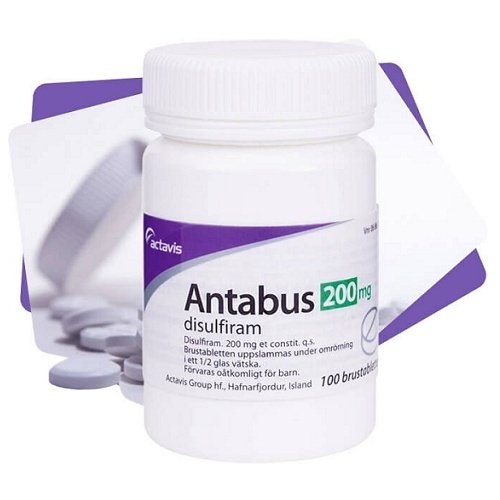
Antabuse in Real Life: What to Expect When You Choose This Path
Imagine the moment you decide to confront your drinking—not just in theory, but in the most practical way possible. You want help. You want guardrails. You want a clear line you won’t cross. That’s where Antabuse comes in: it’s a commitment device, not a shortcut. The decision to use Antabuse is rooted in the reality that willpower is not always enough, especially when triggers and cravings catch you off guard. The medication gives you a hard stop—a physical, immediate consequence if you drink alcohol. For some, that’s powerful. For others, it feels punitive or even risky. Where you land will shape your experience as much as any clinical effect.
Antabuse is not right for everyone with alcohol dependence. It doesn’t reduce cravings. It doesn’t block the pleasure of drinking. Instead, it sets a trap: if you drink alcohol, the medication triggers a violent, unmistakable illness. The threat is not subtle—a few sips can bring on racing heart, throbbing headache, flushing, nausea, vomiting, and even more serious effects. The deterrent is meant to be so unpleasant that it’s simply not worth it. But success with Antabuse depends on living within clear boundaries, understanding your triggers, and accepting the rules that come with it.
Real-world experience with Antabuse in the United States is mixed. Some patients say it gives them the structure and accountability they need to stay sober. Others find the restrictions too difficult, or feel anxious about accidental exposures. If you’re considering this medication, it’s crucial to be honest with yourself (and your provider) about your environment, your support system, and your readiness to make it work.
Antabuse is most often used in early recovery—when motivation is high but the risk of relapse is still real. Sometimes it’s prescribed after other therapies have failed, or when a patient requests a “hard stop” approach. In practice, it should be one part of a broader treatment plan that includes counseling, support, and regular check-ins. Starting Antabuse without these supports can set you up for disappointment, or worse.
In short: Antabuse isn’t for everyone, but for certain people—motivated, with good support, and ready to avoid all forms of alcohol—it can be a powerful tool in recovery. If you’re considering it, ask your provider about the real-life logistics, not just the prescription. You’ll want to know how to fit it into your own world, not an idealized one.
How Antabuse (Disulfiram) Works—And Why That Matters Day to Day
Take a pill. Wait a few hours. Now, if you drink alcohol, your body betrays you. That’s the heart of Antabuse’s design. But what’s really happening inside your cells, and why does it matter so much for your daily routine?
The active ingredient, disulfiram, blocks an enzyme in your liver called aldehyde dehydrogenase. Normally, this enzyme helps break down acetaldehyde—an intermediate product formed when your body processes alcohol. With Antabuse on board, acetaldehyde builds up fast if you drink, causing skin flushing, a pounding heartbeat, shortness of breath, headache, nausea, and vomiting. The reaction can range from miserable to dangerous, depending on the amount of alcohol and individual sensitivity.
- Aldehyde dehydrogenase
- An enzyme in the liver that helps break down acetaldehyde, a toxic byproduct of alcohol metabolism. Disulfiram blocks this enzyme, causing toxic levels of acetaldehyde to build up if alcohol is consumed.
No other medication for alcohol dependence works this way. Naltrexone and acamprosate, the main alternatives, target the brain’s reward and craving pathways instead. Antabuse doesn’t touch cravings at all—which means that your urge to drink may remain, but the consequences of acting on it become immediate and severe.
- Timing matters: Antabuse takes effect within 12 hours of your first dose, and its deterrent effect lasts for up to two weeks after you stop (though the strongest reaction is within the first few days).
- Hidden alcohol is everywhere: Cooking sauces, cough syrups, mouthwashes, aftershaves—trace alcohol in these products can trigger a reaction. Reading labels becomes a daily habit.
- Risk is not theoretical: Serious reactions (rare but real) can include low blood pressure, heart rhythm changes, or even collapse. Your provider will review your heart and liver health before starting.
In day-to-day life, Antabuse means planning ahead. You’ll need to ask about alcohol in foods and medications, warn your dentist or pharmacist about your medication, and stay vigilant for the next two weeks after your last dose. For many, this creates a strong sense of accountability—one that can be life-changing when paired with genuine motivation and support.
Choosing Antabuse vs. Other Medications for Alcohol Dependence
In the crowded landscape of options for treating alcohol dependence, why pick a medication that works by causing illness if you slip up? The answer lies in what you want from treatment, your relationship to alcohol, and how you respond to risk and accountability.
| Attribute | Antabuse (Disulfiram) | Naltrexone | Acamprosate |
|---|---|---|---|
| Main Mechanism | Blocks alcohol breakdown, causes sickness if alcohol is consumed | Blocks opioid receptors, reduces pleasure of drinking | Balances brain chemistry, reduces craving and withdrawal |
| Does it deter drinking? | Yes—by causing an immediate aversive reaction | No, but reduces urge to continue drinking | No, but may help reduce craving over time |
| Effect on cravings | None | Reduces pleasure, may reduce urge | Reduces craving and withdrawal |
| How quickly does it work? | Within 12 hours of dose | After first dose, but cravings reduction may take days | Requires several days to reach effect |
| Adherence support | Best when supervised | Self-administered; supervision possible but less common | Self-administered; twice-daily dosing |
| Common side effects | Metallic taste, drowsiness, skin rash | Nausea, headache, dizziness | Diarrhea, flatulence, nausea |
| Serious risks | Severe reaction if alcohol is consumed; liver toxicity | Liver toxicity, opioid withdrawal if combined with opioids | Kidney impairment concerns |
| Who should not take it? | Liver disease, heart disease, cognitive impairment, pregnancy | Hepatitis, severe liver failure, concurrent opioid therapy | Severe kidney disease |
| Typical cost (USA) | Low—generic available; usually covered by insurance | Moderate—generic available | Moderate—generic available |
| Prescription required? | Yes | Yes | Yes |
The practical difference comes down to this: Antabuse offers a binary, high-stakes motivation—if you drink, you get sick. Naltrexone and acamprosate give you a softer edge, reducing craving and reward without enforcing abstinence through physical consequences. If your pattern is binge drinking or you struggle with staying motivated, Antabuse might offer the hard boundary you need. But if your main struggle is craving or withdrawal, the alternatives may offer a smoother path with fewer risks and restrictions.
Ultimately, most clinicians recommend Antabuse when motivation is high but relapses are driven by habit or external pressure—not by powerful cravings. If you find yourself drinking despite a clear desire to stop, and you want a medication that puts immediate consequences in the way, Antabuse is worth considering. But if you struggle with ongoing urge or withdrawal symptoms, alternatives may serve you better.
Taking Antabuse: What Daily Use Really Looks Like
Swallowing a pill is easy. Living with Antabuse is not. The real work happens after you pick up the prescription, when the rules of your day change in ways you may not expect. Here’s what daily use actually means for most patients in the United States:
-
Absolute abstinence from all alcohol—intentional and hidden.
Antabuse isn’t forgiving. Ingesting alcohol, even by accident, can trigger a severe reaction. That means checking every label, asking about ingredients, and avoiding untrusted foods, drinks, and medicines. -
A daily routine that centers the medication.
Consistency is crucial. Most patients take Antabuse once daily, often in the morning. Some do best with supervision—a family member or clinic administers the dose to prevent missed doses or “cheating.” -
Vigilance for symptoms—expected and unexpected.
Mild side effects (like a metallic taste or drowsiness) are common. But any reaction to accidental alcohol exposure—flushing, headache, rapid heartbeat—should be taken seriously and reported. -
Planning for emergencies.
Always carry a medication card or medical alert bracelet stating you take disulfiram. Emergency responders need to know, especially if you are unconscious or unable to speak. -
Supporting your medication with therapy and social support.
Antabuse is not a stand-alone solution. Counseling, peer support, and regular check-ins help keep motivation high and prevent isolation.
| Patient Type | Starting Dose | Maintenance Dose | Special Considerations |
|---|---|---|---|
| Adults (18+, normal liver/renal function) | 500 mg once daily for 1-2 weeks | 250 mg once daily (range: 125–500 mg) | Take in morning; dose may be split if sedation occurs |
| Older adults | Lower starting dose may be used | Adjust for tolerability | Monitor for confusion, falls |
| Impaired liver function | Not recommended | Contraindicated | Liver tests required before and during use |
| Youth (< 18 years) | Not FDA-approved | Not recommended | Use in pediatric patients is rare and off-label only |
Interpretation: The standard adult regimen is simple, but dosing may be adjusted based on age, side effects, or underlying health. Liver function must be checked before starting and monitored during use. Children and teens should not be prescribed Antabuse except in rare, specialist-managed cases; safety data is limited. If you experience sedation or confusion, especially as an older adult, tell your provider right away. There’s no benefit in “pushing through” side effects—the goal is adherence, not endurance.
Which Side Effects Matter Most with Antabuse—And When to Act
Every medication has its downside, but Antabuse’s risks are unique in both timing and severity. Some side effects are expected and usually mild; others are warning signs you cannot ignore. The line between “annoying” and “dangerous” is sharper than with most medications—and it moves fast if you accidentally ingest alcohol.
- Most common: Metallic or garlic-like taste in the mouth, drowsiness, fatigue, mild headache, skin rash. These typically fade over time but can be bothersome at first.
- Alcohol-disulfiram reaction: Flushing, pounding headache, chest pain, nausea, vomiting, rapid heartbeat, shortness of breath, confusion. May occur within 5–30 minutes of consuming alcohol. Severity varies with amount ingested and individual sensitivity.
- Rare but serious: Liver inflammation (hepatitis), nerve pain or numbness (peripheral neuropathy), eye problems (optic neuritis), severe allergic reaction. These require immediate attention and may not be reversible if ignored.
| Side Effect | Frequency | When to Contact Your Doctor |
|---|---|---|
| Metallic or garlic taste | Very common | If persistent or causing appetite loss; rarely dangerous |
| Drowsiness, fatigue | Common | If severe, interferes with function, or worsens suddenly |
| Skin rash | Occasional | If widespread, itchy, or blistering—stop and seek advice |
| Alcohol reaction: flushing, headache, nausea, vomiting | Common if alcohol is consumed | Stop alcohol; monitor closely; seek immediate care for severe symptoms |
| Chest pain, shortness of breath | Rare | Seek emergency care—may signal severe reaction |
| Yellowing of eyes/skin (jaundice), dark urine | Rare | Stop Antabuse and call your doctor—sign of liver injury |
| Numbness, tingling, weakness in hands/feet | Rare | Report promptly—possible nerve damage |
| Severe allergic reaction (swelling, hives, trouble breathing) | Very rare | Seek emergency care immediately |
Some reactions, like the metallic taste, are nuisances more than dangers. But anything involving your heart, breathing, or liver is a red flag—especially if symptoms come on rapidly after accidental alcohol exposure. Most providers recommend routine liver testing before and during treatment to catch problems early. If in doubt, call. It’s always better to consult than to wait and see.
doctor says: “We see a lot of anxiety about accidental reactions—patients worry one bite of rum cake will send them to the ER. While most mild exposures cause unpleasant but self-limited symptoms, the risk is real enough that we take every warning seriously. If you feel anything out of the ordinary, especially chest pain or confusion, err on the side of caution and call or visit urgent care.”
When Not to Take Antabuse (And What to Do Instead)
- You are currently intoxicated or have consumed alcohol in the last 12 hours
- You have a history of severe heart disease (e.g., coronary artery disease, heart failure)
- You have liver failure or active hepatitis
- You are pregnant or breastfeeding
- You have psychosis or severe cognitive impairment
- You are allergic to disulfiram or similar compounds
Relative contraindications (special caution, use only if benefit outweighs risk):
- History of mild or moderate liver disease—requires close monitoring and regular liver tests
- Significant kidney disease—safety data is limited, and dose adjustment may be needed
- Older adults with risk of falls, confusion, or frailty—side effects may be more pronounced
- Patients unable to understand or remember medication rules—risk of accidental exposure is high
For patients who are a poor fit for Antabuse (due to health, lifestyle, or cognitive reasons), modern alternatives are available. If you have underlying liver or heart problems, or if abstinence is not realistic right now, ask about medications that reduce craving without punishing slips. No one medication fits everyone—be honest about your situation to get the safest, most effective treatment.
How to Access Antabuse in the United States: Prescriptions, Pharmacies, and Practicalities
Antabuse is a prescription-only medication in the United States, regulated by the FDA. You cannot legally purchase it over the counter or from unlicensed pharmacies—online sources should always be verified to avoid counterfeit or unsafe products. Here’s what the access process typically looks like:
- Step 1: Clinical assessment. Most providers will conduct a full medical and substance use history, review your liver and kidney function, and perform a physical exam. You’ll be asked about your drinking pattern, motivation, and support system. This isn’t red tape—it’s safety.
- Step 2: Prescription. If Antabuse is appropriate, your doctor will send a prescription to your chosen pharmacy, often electronically. The brand and generic versions (disulfiram) are considered equivalent in efficacy.
- Step 3: Pharmacy dispensing. Most large chain pharmacies and independent stores stock generic disulfiram. You may need to wait a day or two for special orders. Insurance, including Medicaid and Medicare Part D, usually covers the cost, though copays vary. Out-of-pocket, a month’s supply typically ranges from $30–$60.
- Step 4: First dose timing. You must be alcohol-free for at least 12 hours before starting. Some clinics offer supervised first dosing, especially if you have complex health needs or are anxious about the reaction.
- Step 5: Ongoing monitoring. Your provider will schedule follow-up visits and lab work (mainly liver tests) at regular intervals. Some also offer pill counts or directly observed therapy if adherence is a concern.
Telemedicine prescribing for Antabuse is available in most states, but you will still need an in-person lab for initial liver testing. Be wary of any website offering Antabuse without a physician visit—a legitimate prescription is always required.
Your Most Pressing Questions About Antabuse, Answered
- How quickly will I react if I drink alcohol on Antabuse?
- Symptoms can begin within 5–30 minutes of ingesting alcohol. The intensity depends on the amount of alcohol, your dose, and individual factors. Even small amounts can cause flushing, nausea, and severe discomfort, so it’s safest to avoid all alcohol sources.
- Do I have to take Antabuse forever?
- No, most people use Antabuse as a bridge during early recovery. Duration varies—some use it for months, others for a year or more. Your treatment plan should be reviewed regularly to assess ongoing need and effectiveness.
- What happens if I accidentally eat food or use products containing alcohol?
- Accidental exposure to small amounts can cause mild to moderate symptoms like flushing, nausea, or headache. If symptoms are severe (chest pain, difficulty breathing, confusion), seek medical attention immediately. Always check labels and ask when unsure.
- Can I drink alcohol once I stop taking Antabuse?
- Disulfiram’s effect can linger for up to two weeks after your last dose. Drinking alcohol during this period may still trigger a reaction. Most providers recommend waiting at least 14 days after stopping before consuming any alcohol.
- Is Antabuse covered by insurance?
- In the United States, most commercial insurance, Medicare, and Medicaid plans cover generic disulfiram. Copays and prior authorization requirements vary, so confirm coverage with your pharmacy or insurer in advance.
- What should I do if I miss a dose?
- Take your next dose at the usual time. Do not double up. Missing a dose increases your risk of relapse, so set reminders or consider supervised dosing if forgetfulness is an issue.
- Can Antabuse help with cravings for alcohol?
- No, Antabuse does not reduce cravings. It works as a deterrent. If cravings are your main challenge, discuss alternative medications or additional therapy options with your doctor.
- What’s the difference between Antabuse and generic disulfiram?
- None in terms of clinical effect. Both are FDA-approved for alcohol dependence and work by causing the same reaction. Generic versions are less expensive and equally effective.
- Is it safe to use Antabuse with other medications?
- Antabuse can interact with several drugs, including certain blood thinners (warfarin), seizure medications, and some antidepressants. Always tell your provider and pharmacist about all medicines and supplements you’re taking.
- Can I take Antabuse if I have liver or heart problems?
- Antabuse is contraindicated in severe liver or heart disease. If you have mild or stable conditions, your doctor may recommend close monitoring or choose a different medication.
References
- U.S. Food and Drug Administration (FDA): Drugs Database
- Substance Abuse and Mental Health Services Administration (SAMHSA). TIP 49: Incorporating Alcohol Pharmacotherapies into Medical Practice. U.S. Department of Health and Human Services, 2009.
- Disulfiram (Oral Route) – Mayo Clinic
- National Institute on Alcohol Abuse and Alcoholism (NIAAA)
- PubMed Database
- FDA-Approved Prescribing Information: Antabuse (Disulfiram), Odyssey Pharmaceuticals
- American Society of Addiction Medicine (ASAM) National Practice Guideline for the Treatment of Alcohol Use Disorder, 2020.